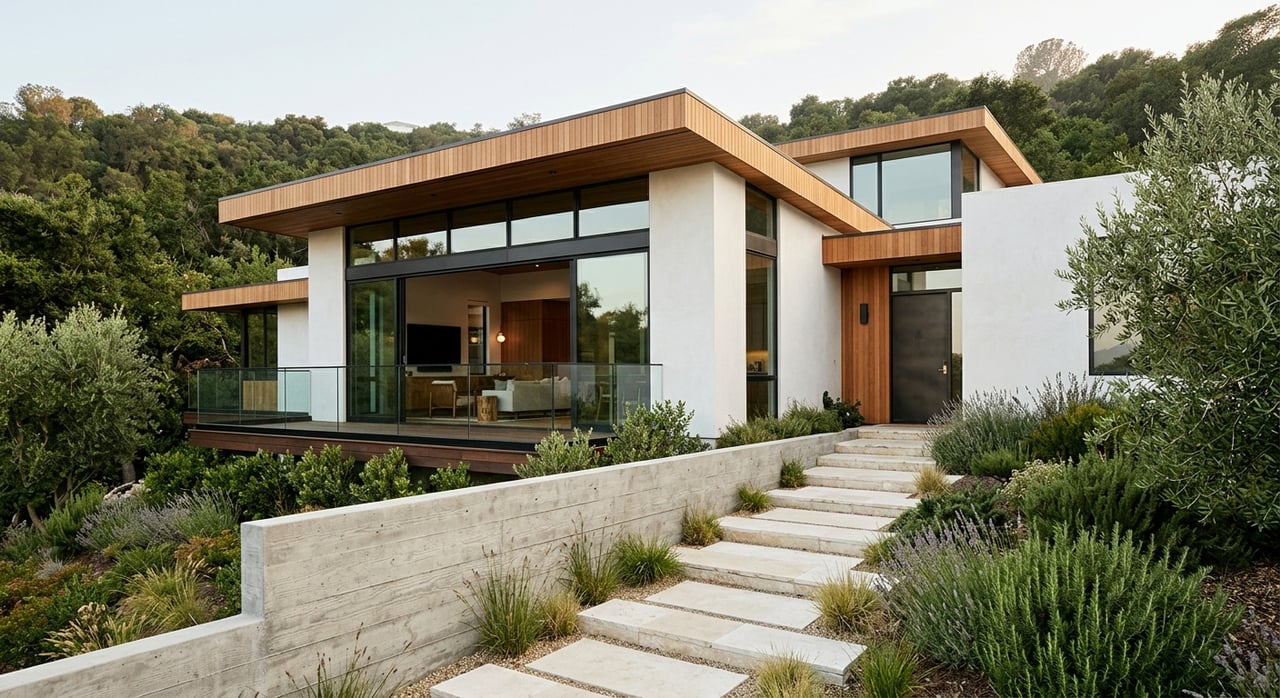
If you picture Malibu and see only oceanfront decks and sandy toes, you are missing half the story. Malibu offers two very different ways to live: close to the shoreline or tucked into the canyons and hills. If you are trying to decide which setting fits your routine, priorities, and comfort level, this guide will help you weigh the tradeoffs with more clarity. Let’s dive in.
Malibu Is Not One Lifestyle
Malibu has a split personality in the best way. City planning documents describe a coastline of beaches, coves, bluffs, and rocky headlands, along with an inland area shaped by canyons, watersheds, and the Santa Monica Mountains.
That difference matters because your day-to-day life can feel very different depending on where you buy. More than 80% of Malibu is hillside area, while much of the flatter land is affected by ocean and canyon-creek flooding constraints. In practical terms, choosing between beachside and canyon living is often really about how connected you want to be to the shoreline, Pacific Coast Highway, and mountain terrain.
Beachside Malibu: What Daily Life Feels Like
Beachside Malibu is what many buyers imagine first. You are closer to the sand, surf, and coastal views that define places like Carbon Beach, Malibu Lagoon, Point Dume, Zuma, and Trancas.
The biggest draw is simple: a strong connection to the ocean. For many buyers, that means waking up to water views, enjoying beach access more often, and living in a setting shaped by light, breeze, and the rhythm of the coast.
Beachside Climate and Comfort
One of the best parts of living near the coast is the marine climate. Malibu city materials describe cool winters, moderate summers, ocean-breeze moderation, summer highs generally in the 70s to 80s, and winter lows in the low 50s.
That can make beachside living feel more temperature-stable through much of the year. At the same time, the Malibu coast is also affected by Santa Ana winds and south-facing swells that can bring high surf, coastal flooding, and rip-current risk.
Beachside Home Styles
There is no single beachside Malibu look. Along the coast, you can find older beach cottages, lower-profile beach houses, updated modern homes, and larger oceanfront compounds.
That variety gives buyers options. Some homes prioritize charm and history, while others focus on glass, openness, and seamless indoor-outdoor flow.
Beachside Privacy and Activity
Privacy near the water depends a lot on the exact location. Malibu’s land-use materials note that western Malibu includes more secluded pocket beaches backed by high bluffs, while eastern sections include more vertical beach-access points behind residential communities.
That means one beachside property may feel quiet and tucked away, while another may experience more public movement nearby. Parking patterns, accessways, and beach traffic can all shape how private a property feels.
Beachside Convenience
If you want easier access to Malibu’s central coastal corridor, beachside living often has an edge. Pacific Coast Highway, Cross Creek Road, Civic Center Way, and Webb Way connect many of the places residents use regularly, including the Malibu Country Mart area, Malibu Colony Plaza, City Hall, and Malibu Lagoon State Beach parking area.
For some buyers, that means simpler errands and faster access to dining, shopping, and the beach. The tradeoff is more exposure to Pacific Coast Highway traffic, roadwork, and seasonal congestion.
Canyon Malibu: What Daily Life Feels Like
Canyon Malibu offers a different version of the city. Instead of living right against the shoreline, you are more likely to be surrounded by hillsides, ridgelines, and a quieter residential setting.
For many buyers, the appeal is space, separation, and a tucked-away feel. The inland canyons are a major part of Malibu’s geography, and housing patterns in the hills generally feel less tied to beach traffic and more rooted in the landscape of the mountains and watersheds.
Canyon Setting and Atmosphere
Canyon living usually feels more removed from the constant motion of the coast. That can appeal to buyers who want a more private daily rhythm or who prefer mountain and canyon views over a direct ocean backdrop.
The lots and siting often feel more land-oriented. Even though architectural styles vary, canyon homes can feel less publicly exposed than properties directly along the shoreline.
Canyon Home Styles
Canyon inventory is also varied. Malibu’s inland areas have historically included ranch homes, equestrian properties, gated estates, and custom hillside moderns.
That mix gives canyon buyers a wider range of parcel types and home settings. In some pockets, the emphasis is on acreage, gates, and setback from neighbors rather than immediate proximity to the beach.
Canyon Access and Convenience
The tradeoff with canyon living is access. Malibu’s transportation system relies heavily on Pacific Coast Highway as the main east-west route, while north-south travel depends on a smaller group of canyon roads such as Malibu Canyon Road, Kanan Dume Road, Topanga Canyon, Decker Canyon, Las Flores Canyon, Encinal Canyon, and Latigo Canyon.
That usually means a quieter environment but more road-dependent trips. Beach access, shopping, and city-center errands may take longer depending on where the property sits and how the roads are moving that day.
Risk Factors: Beachside vs Canyon
No Malibu setting is risk-free. The risks are different, and understanding them early can help you make a better long-term decision.
Beachside Risk Considerations
Beach-adjacent properties are more directly tied to shoreline conditions. Malibu’s coastal planning materials identify sea-level rise, tidal inundation, storm flooding, and coastal erosion as ongoing concerns, with the city’s Coastal Vulnerability Assessment looking at impacts from the present through 2049, mid-century, and longer-term conditions.
If you are considering a beachside property, it is important to think beyond the view. Long-range shoreline conditions, renovation plans, and property maintenance can all be shaped by the coastal setting.
Canyon Risk Considerations
Canyon homes face a different hazard profile. Malibu city materials state that the city is in a High Fire Severity Zone, and environmental documents describe Malibu as a Very High Fire Hazard Severity Zone.
The city also warns that after wildfire, rain can trigger rock and debris flows, mudslides, and travel delays, including on Pacific Coast Highway and canyon roads. If you are drawn to the canyons, emergency planning and access routes should be part of your home search from day one.
Shared Rules and Realities Across Malibu
Whether you buy near the beach or in the canyons, some Malibu factors apply everywhere. The entire city sits within the California coastal zone, and development is regulated through Malibu’s Local Coastal Program.
That can affect renovation, rebuild, view, and access decisions even when a home is not directly on the sand. In other words, property ownership in Malibu often involves more planning context than buyers expect.
Views Matter Beyond Marketing
In Malibu, views are not just a selling point. The city uses Primary View Determinations that can document and preserve views of the Pacific Ocean, offshore islands, the Santa Monica Mountains, canyons, valleys, or ravines.
That makes view protection and design considerations important in both settings. If views are part of why you are buying, they should also be part of your due diligence.
Emergency Planning Matters Everywhere
Malibu’s official evacuation system uses zones MAL-C111 through MAL-C114, and residents are encouraged to know their zone and routes in advance. City preparedness guidance also warns that road conditions can change during wildfire events and storms.
That means emergency readiness is part of living in Malibu, whether your home is steps from the beach or farther inland on a canyon road. The setting changes, but the need to plan ahead does not.
How To Decide Which Malibu Setting Fits You
If you are torn between the coast and the canyons, it helps to focus less on image and more on routine. The right fit usually comes down to what kind of daily experience you want.
Beachside May Fit You If You Want:
- Immediate connection to the ocean
- Easier access to sand, surf, and coastal recreation
- A marine-influenced climate with strong ocean presence
- Quicker access to Malibu’s central coastal corridor
- A home that feels visually tied to the shoreline
Canyon May Fit You If You Want:
- More separation from the busiest beach areas
- A tucked-away residential setting
- Hillside, ridgeline, canyon, or mountain views
- Larger-feeling parcels or more land-oriented siting
- A lifestyle less centered on shoreline activity
The Best Choice Depends on How You Live
There is no universal winner between beachside and canyon living in Malibu. Beachside homes usually appeal to buyers who want the strongest day-to-day ocean connection, while canyon homes often appeal to buyers who want more seclusion and a setting shaped by hills, land, and distance from the shoreline.
The key is to match the property to your habits, priorities, and comfort with the practical realities that come with each setting. If you want help comparing specific Malibu neighborhoods, road access patterns, privacy levels, and property types, Christopher Potter can help you narrow the search with local insight and a high-touch approach.
FAQs
What is the main difference between beachside and canyon living in Malibu?
- Beachside Malibu is usually more connected to the shoreline, ocean views, and the central coastal corridor, while canyon Malibu often offers a more tucked-away setting shaped by hillsides, canyons, and mountain terrain.
Is beachside Malibu more convenient for daily errands?
- In many cases, yes. Homes near Pacific Coast Highway and the Civic Center area often have quicker access to shopping, dining, and beach amenities, though they may also experience more traffic and congestion.
Are canyon homes in Malibu usually more private?
- They can be, depending on the road, lot, and siting. Canyon properties often feel less publicly exposed than shoreline homes, but privacy still varies from one property to another.
What risks should buyers consider for beachside Malibu homes?
- Buyers should pay attention to shoreline-related conditions such as sea-level rise, tidal inundation, storm flooding, and coastal erosion, along with how coastal rules may affect future improvements.
What risks should buyers consider for canyon Malibu homes?
- Buyers should focus on wildfire risk, evacuation planning, and the potential for post-fire debris flows, mudslides, and road delays on canyon routes and Pacific Coast Highway.
Do coastal rules affect only oceanfront homes in Malibu?
- No. Malibu is entirely within the California coastal zone, so development and improvement decisions can be shaped by the Local Coastal Program even when a property is not directly on the sand.
How should a buyer choose between beachside and canyon neighborhoods in Malibu?
- Start with your daily routine, desired level of privacy, access needs, and comfort with each area’s risk factors. The best match is usually the one that supports how you want to live, not just how the property looks in photos.
