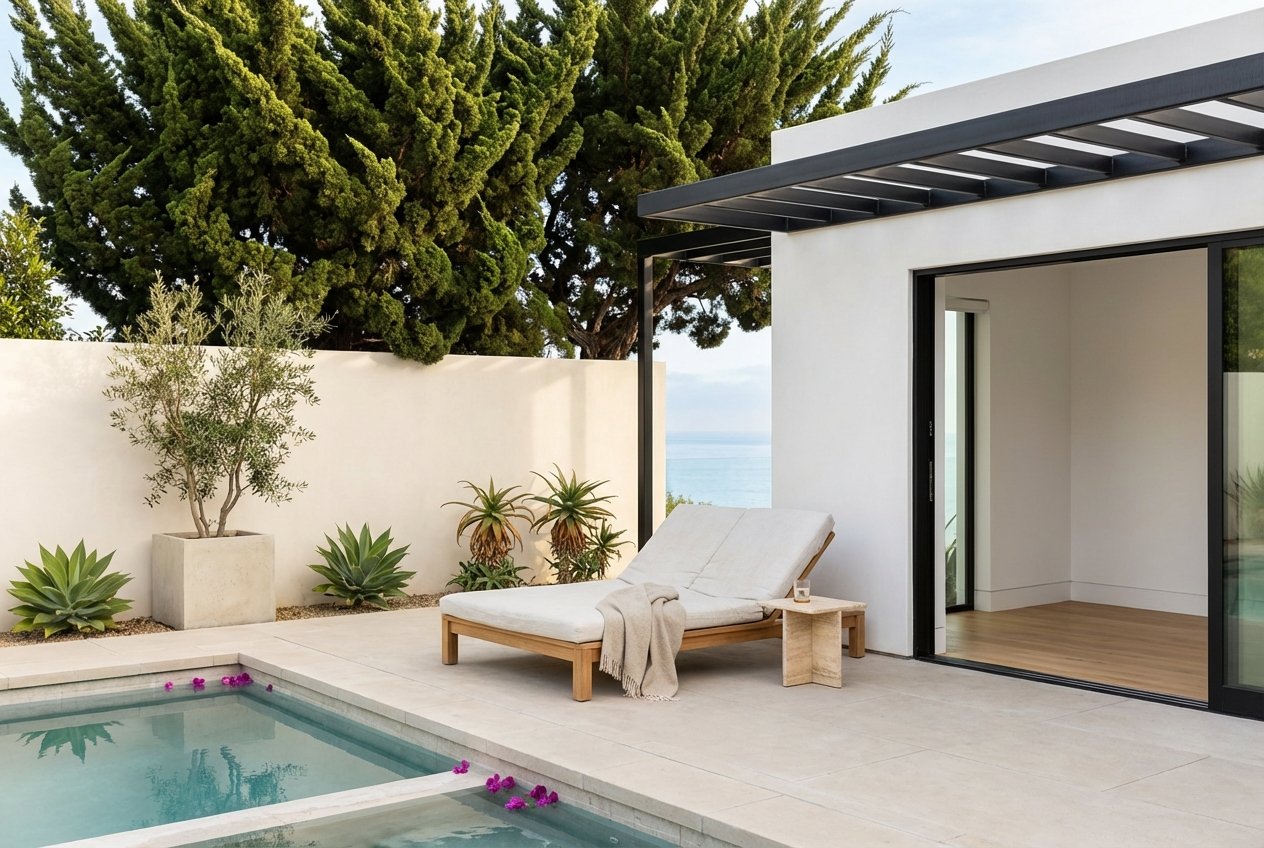
Imagine waking up to the sound of gentle surf, sliding open the patio doors to a soft marine breeze, and deciding between a dawn paddle at Surfrider or a slow coffee on your deck. If you have been picturing a second home in Malibu, you are likely chasing a feeling as much as an address. You want effortless weekends, simple routines, and a place that resets your pace. In this guide, you will learn what second-home life really looks like along Malibu’s 21-mile coast, how different pockets feel, and the practical steps that make a lock-and-leave setup work. Let’s dive in.
Malibu in a minute
Malibu stretches along roughly 21 miles of Pacific coastline where the Santa Monica Mountains meet the ocean. The Pacific Coast Highway is the primary route that connects beaches, small commercial hubs, and trailheads, which means your day-to-day rhythm often follows traffic and tides. Expect an outdoor-forward life: surf or hike in the morning, quick stops at local markets midday, and sunset dinners near the pier. For many second-home owners, the appeal is simple access to nature with the option to plug into a lively coastal scene when you want it. For a quick overview of the area and its geography, see Malibu’s profile.
Where to plant your weekends
Carbon Beach, Malibu Colony, Malibu Road
These central–east stretches are known for direct-on-the-sand and bluff-front homes, privacy, and proximity to restaurants and the pier. Lots are compact, values are high, and the vibe is polished and quiet. Public access points exist along this shoreline, and they have a long history of enforcement and litigation to keep routes open. If you want beach-first living with a refined feel, this is the classic Malibu postcard.
Malibu Pier, Surfrider, Civic Center
This is the social heart of Malibu. You can surf the long right-hander at Surfrider in the morning, walk the pier, then head across the lagoon for shopping and brunch. Parcels are smaller and weekends bring more visitors, which suits you if you want energy and easy walkability. Surfrider is designated as a World Surfing Reserve, underscoring the area’s surf culture and heritage. Learn more about the designation through the Surfrider Foundation’s Malibu page.
Broad Beach, La Costa, Lechuza
This central–west area varies block by block, from active beachfront scenes to quiet bluff-top settings. Broad Beach has seen ongoing discussions around erosion, sand nourishment, and access, which can influence rebuild timelines and shoreline protections. If you are eyeing oceanfront here, factor coastal processes and permitting into your planning. For context on sand projects and community debate, see local coverage of Broad Beach nourishment.
Zuma, Point Dume, Westward Beach
Out west you get wide beaches, open sand, striking headlands, and an easygoing pace. Point Dume offers bluff-top homes and trail access with more separation from the busier central zones. If your ideal weekend centers on time outside and a little more space from PCH crowds, this area delivers that feel.
Inland and canyon enclaves
Hillside neighborhoods like Malibu Canyon, Serra Retreat, and Malibu Park offer larger lots, greenery, and quick trail access. You still reach the beach within a short drive, but your everyday backdrop is the mountains. For many second-home owners, the trade-off of ocean views for privacy and room to breathe feels right.
Picture a typical second-home weekend
- Morning: Check the swell, then surf or paddle at Surfrider. On smaller days, cruise a mellow session at a protected break and enjoy a slow walk on the sand. The surf heritage here is real, and the lineup culture is part of the charm. See why Surfrider holds special status on the World Surfing Reserve page.
- Midday: Head to the Country Mart or a nearby market for brunch and groceries. Short errands keep the vibe relaxed, and you are never far from a good coffee or smoothie.
- Afternoon: Hike a mountain trail, read on a bluff terrace, or set up a beach umbrella at Zuma. This is the slow core of Malibu life: sunshine, salt air, and easy movement.
- Evening: Catch a pier sunset, then choose a nearby dinner spot. On busy weekends, you will plan around PCH traffic and settle into the idea that the ocean sets the schedule.
Lock-and-leave realities that matter
Wildfire readiness and resale steps
Malibu’s landscape is beautiful and fire-prone. After the 2018 Woolsey Fire, California and local agencies emphasized two strategies: defensible space and home hardening. If a property lies in a high or very high fire hazard zone, state law commonly requires a compliant defensible-space inspection during resale, which can affect timelines. Review CAL FIRE’s home-hardening guidance and understand how AB-38 inspections work through this overview of defensible-space requirements for real estate transactions.
Insurance planning, first not last
Availability and pricing for property insurance in high-risk coastal and wildland areas can shift after major events. Some owners use the FAIR Plan as a last-resort option when private carriers limit coverage. Before you write an offer, speak with a broker who understands high-value coastal and wildfire exposures. For current market actions from state regulators, see the California Department of Insurance’s recent update on insurance market progress.
Coastal access, erosion, and rebuild choices
Public beach access is protected under California law and enforced through the Coastal Commission. Even on famous private stretches, recorded access easements must be honored, and encroachments can be ordered removed. A notable example is the judge’s decision upholding removal of private barriers on Carbon Beach accessways, summarized in this public access enforcement report.
Oceanfront ownership also means paying attention to erosion and sea-level rise. Proposals like sand nourishment at Broad Beach involve lengthy permitting and environmental conditions, which can affect rebuild options and long-term maintenance costs. For local context, review coverage of Broad Beach nourishment and the City’s sea-level rise workshop reporting.
Wastewater and utility reality
Some parcels, including beachfront lots in sensitive zones, use onsite wastewater treatment systems. Malibu and regional boards have implemented phased connections and prohibitions to protect water quality near the lagoon and ocean. If you are planning upgrades or new construction, confirm whether the property is on sewer or OWTS and what retrofit or connection steps might be required. Start with the City’s OWTS and Civic Center treatment FAQs.
Short-term rentals are regulated
If part of your plan includes occasional short-term renting, know that Malibu enforces a permit program and code of conduct. Advertising or operating without a valid permit can result in fines, and certain property types have additional requirements. Always confirm the current rules before projecting rental income. You can review the program on the City’s Short-Term Rental Ordinance page.
Property management, security, and upkeep
Many second-home owners hire local property managers for regular checks, post-storm inspections, and seasonal prep. Gated enclaves can add an extra layer of access control that supports a lock-and-leave lifestyle. Even so, plan for ongoing maintenance, vegetation management in fire season, and documented routines for when the home is unoccupied.
Buying smart: your quick checklist
- Visit different pockets on both weekdays and weekends to feel changes in crowds, noise, and parking patterns.
- Ask about recorded public coastal access easements, any onsite wastewater systems or sewer connections, and Coastal Commission conditions tied to the parcel.
- Consult a wildfire-savvy contractor about home-hardening budgets, and plan for AB-38 defensible-space inspections at resale.
- Get an early insurance read from a broker who specializes in coastal and wildfire exposures before you make an offer.
- Confirm the status and eligibility for short-term rental permits if rentals are part of your plan.
- For oceanfront properties, budget time and resources for coastal-hazard planning, including sea-level rise implications and potential armoring or nourishment limits.
The feel of ownership, month to month
When Malibu is your second home, most months follow a simple rhythm. You handle a short list of recurring maintenance items, coordinate with your property manager after wind or rain events, and watch conditions for high-surf or red-flag days. In return, you arrive to a home that is prepped, secure, and ready for long walks, glassy mornings, and unhurried meals with the ocean in view. The lifestyle is less about doing more and more about choosing what matters to you each weekend.
Ready to explore Malibu, pocket by pocket?
If you are serious about a second home in Malibu, the right first move is a locally grounded search plan and clear ownership strategy. Let’s map your wish list to the coastal stretches that fit your rhythm, then size the practical steps so you can buy with confidence. To start a private conversation about your goals, reach out to Christopher Potter.
FAQs
What is second-home life in Malibu really like?
- It is an outdoor-forward routine shaped by surf, hikes, and pier sunsets, with weekend energy near Surfrider and quieter pockets as you move west or into the canyons.
Which Malibu areas fit a lock-and-leave lifestyle best?
- Central pockets like the Pier and Colony offer convenience, while Point Dume and inland canyons deliver more space and separation; your choice depends on privacy, access, and traffic tolerance.
How do wildfire rules affect buying a Malibu vacation home?
- Expect defensible-space inspection requirements in high-risk zones at resale and budget for home-hardening measures; review CAL FIRE guidance and AB-38 processes early in your planning.
Can I rent my Malibu second home short term?
- Possibly, but Malibu requires a valid short-term rental permit and enforces a code of conduct; always verify current rules and eligibility with the City before assuming rental income.
What should I know about oceanfront erosion and rebuilds on Broad Beach?
- Erosion and sand nourishment proposals involve complex, lengthy permitting and can influence rebuild options, timelines, and long-term costs; factor these into due diligence.
Do some Malibu homes use septic systems instead of sewer?
- Yes, certain areas rely on onsite wastewater treatment systems, and the City has phased programs to protect water quality; confirm connection status and any required upgrades before you buy.
